
Dermal Fillers
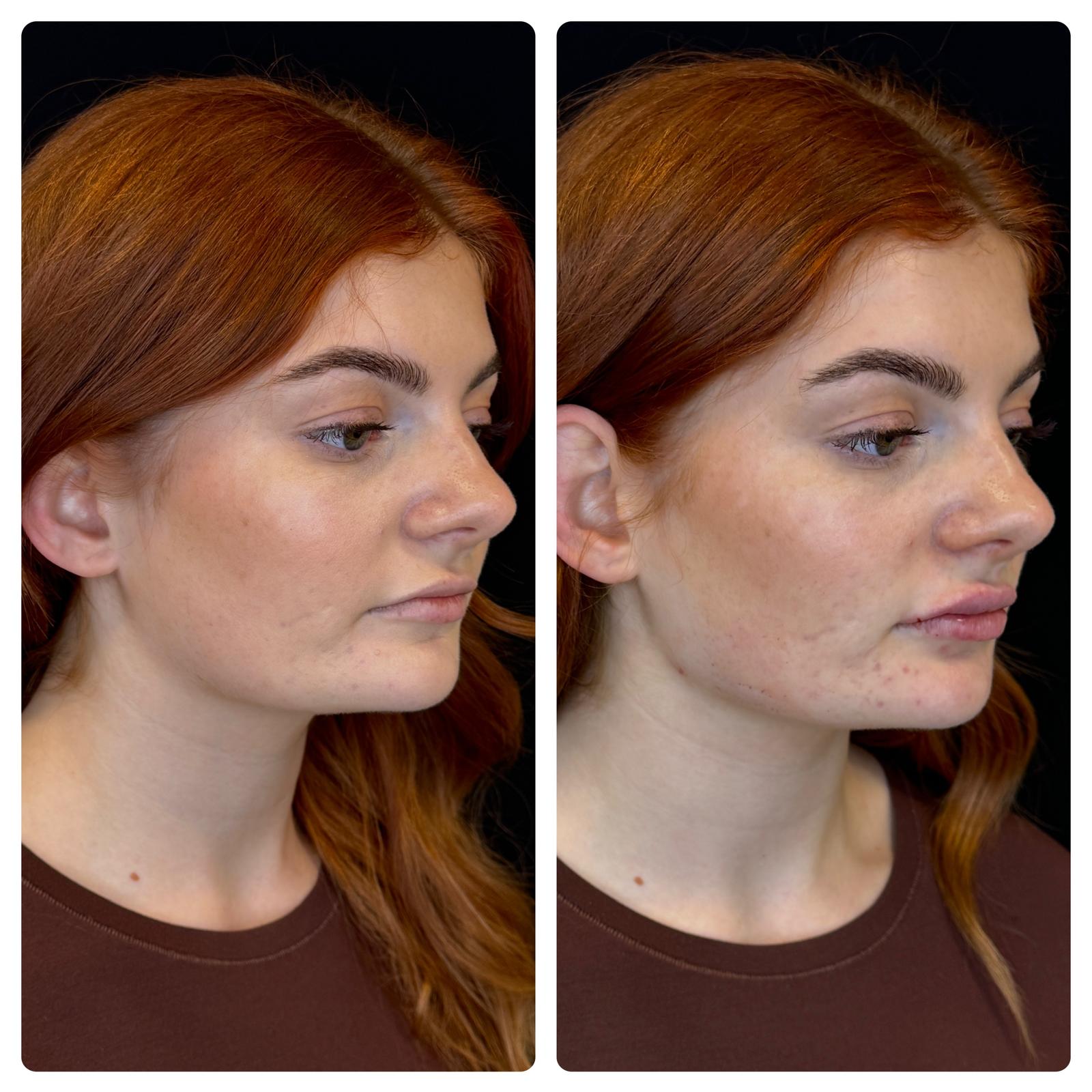
Fresher, more balanced, naturally enhanced, without looking like you have had filler. That is how we believe dermal fillers should be used. Rather than following trends, we look at your facial proportions, find where a subtle change could add balance, and use filler carefully to enhance what is already there.
About The Treatment
What are dermal fillers?
Dermal fillers are injectable treatments used to restore volume, enhance facial contours, improve proportions and soften certain lines and folds. Most of the fillers we use are based on hyaluronic acid, a substance that occurs naturally in the body. Different fillers behave differently: some are soft and flexible for areas like the lips, others give more structure and support for the cheeks, chin or jawline. Choosing filler is not about how many millilitres you want. The product, amount, placement and technique are all chosen for your anatomy and the result you are after.
How do dermal fillers work?
Hyaluronic acid filler is placed beneath or within the skin at different depths depending on the area and the result. It can add support, replace lost volume or alter contour, and where it goes matters enormously. Soft filler in the lips does a very different job from structural filler around the chin or cheek, which is why a detailed facial assessment comes before deciding which filler, or how much, you need.
The whole-face approach
Treating one isolated feature is not always the best way to create balance. The face is three-dimensional and every feature relates to another: the cheeks influence the lower face, the chin influences how the nose looks, the lips relate to both. For several concerns, Dr Cat may suggest a full-face assessment rather than focusing on a single line. That does not mean filling everywhere. Looking at the whole face usually reveals the smallest, most strategic changes needed.
Treatment areas
Lip filler
Lip filler can enhance shape, restore volume, improve symmetry and add definition. Not everyone wants dramatically larger lips, and we do not think everyone should. For some it is simply restoring volume lost with age, for others improving the Cupid’s bow or balancing the upper and lower lip. The focus is lips that belong on your face.
Cheek filler
Cheeks naturally lose volume and support with age. Carefully placed cheek filler can restore that support, enhance cheekbone definition and improve overall balance. Restoring mid-face support can also soften lines lower down without filling them directly. The aim is usually to restore what time has taken, not to create larger cheeks.
Chin filler
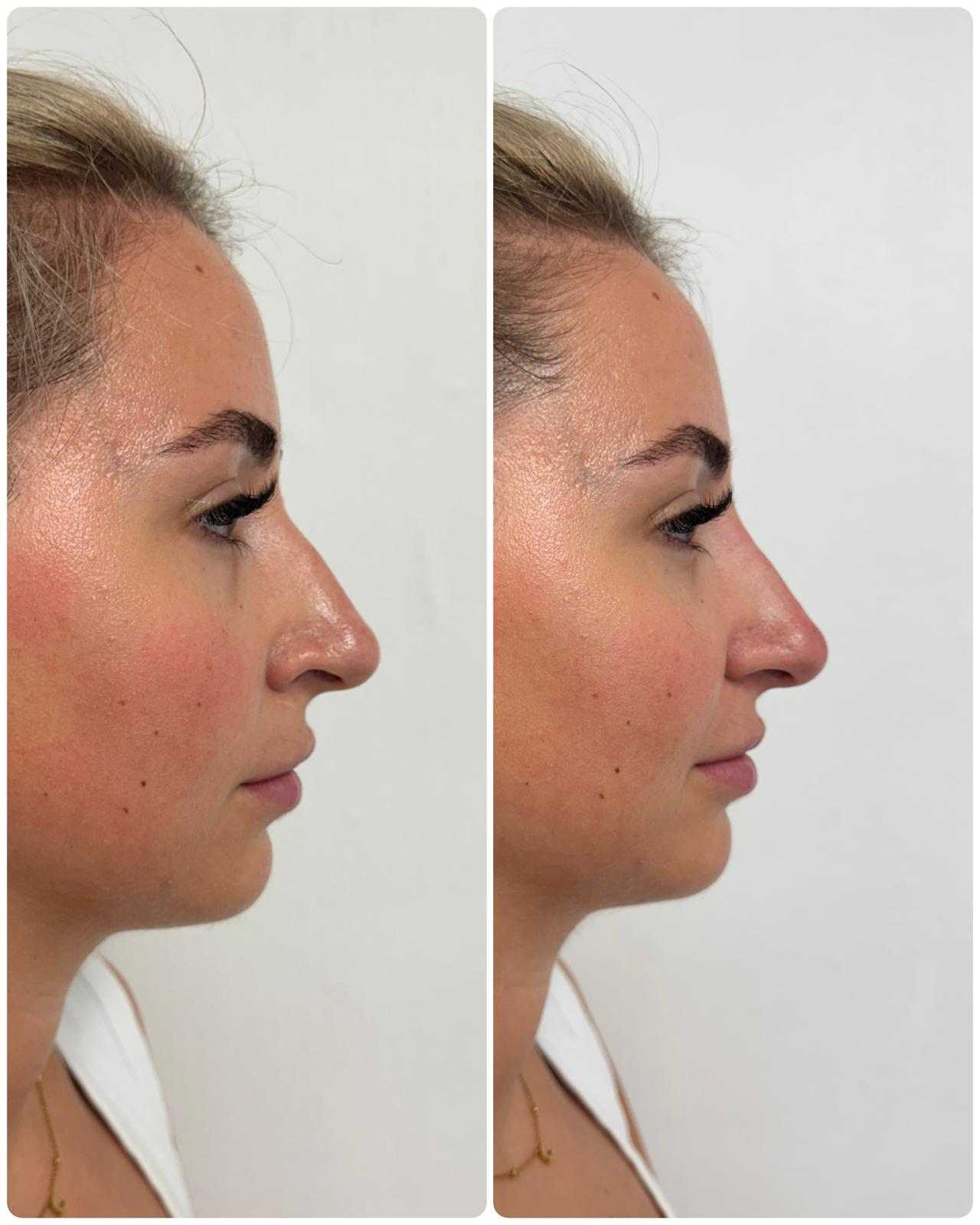
The chin has a big influence on facial balance, especially in profile. Chin filler can improve projection, refine shape, improve proportions between the nose, lips and chin, and add lower-face definition. Small changes here can make a surprising difference to overall harmony.
Jawline filler
Jawline filler can add definition through the lower face and improve the transition between face and neck. Depending on your anatomy it may improve definition, create a stronger profile, improve symmetry or support age-related volume loss. If skin laxity rather than lack of structure is the main issue, Dr Cat may recommend a different treatment.
Tear trough filler
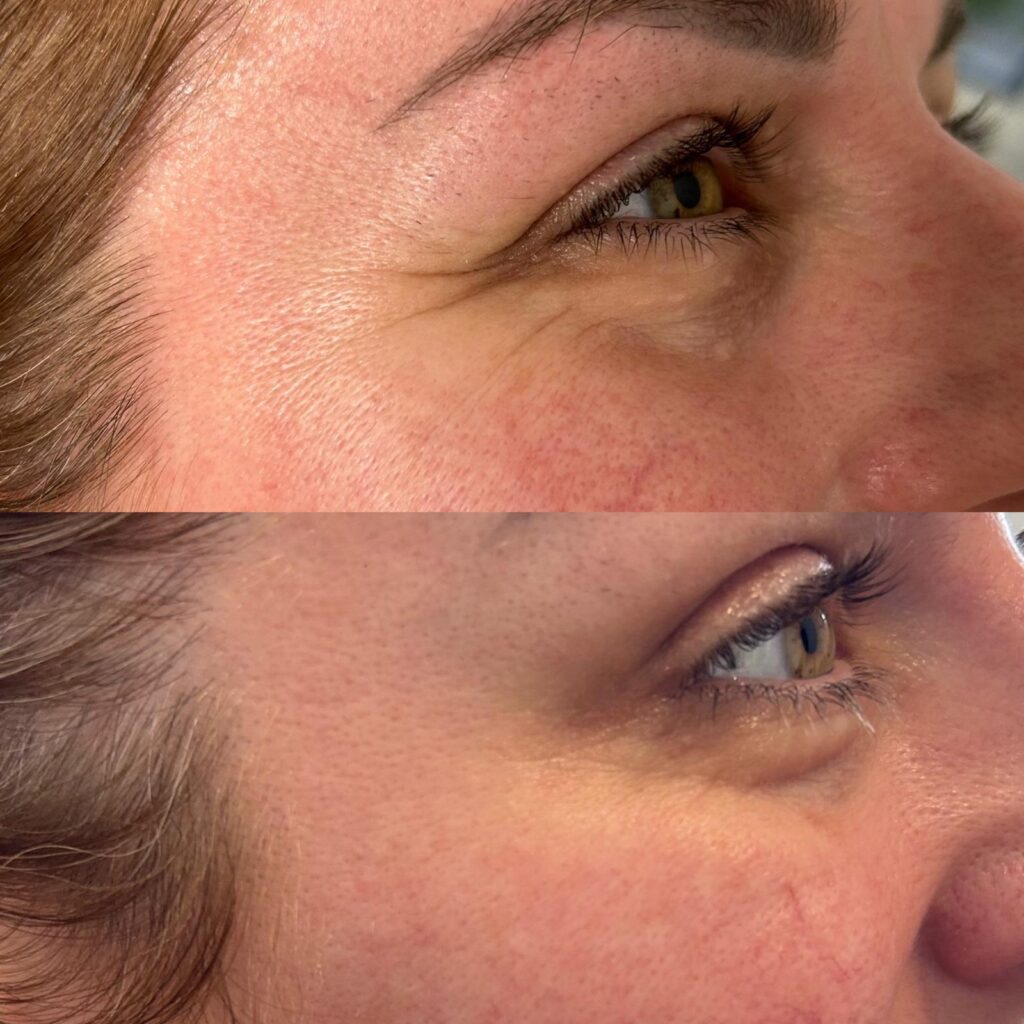
Tear trough filler treats carefully selected patients with hollowness under the eyes, where volume loss creates shadows that make you look tired. Carefully placed filler can soften the hollow and smooth the transition to the cheek. Not everyone with dark circles needs it, pigmentation, thin skin, vessels and puffiness can all play a part, and some do better with polynucleotides. Careful patient selection is essential here.
Nose filler (non-surgical rhinoplasty)
Nose filler can change the appearance of the nose without surgery in suitable patients, helping camouflage bumps, improve the bridge, refine proportions and create a straighter-looking profile. Altering proportions and light reflection can make some noses look straighter or more balanced. This is an advanced area that is not suitable for everyone, so a detailed anatomical assessment is essential.
Temple filler
Hollowing at the temples is a common but overlooked part of ageing that can give the upper face a more skeletal or tired look. Carefully selected patients may benefit from temple filler to restore volume and soften the transition through the upper face. The anatomy here is complex, so assessment and planning matter.
Barcode lines (lines around the lips)
The fine vertical lines around the mouth, often called barcode or perioral lines, develop through ageing, movement, sun exposure and loss of collagen and volume. Carefully placed filler can soften them without enlarging the lips. Depending on the cause, Dr Cat may recommend combining filler with skin or wrinkle softening treatments rather than adding more filler.
When filler might not be the answer
Knowing when not to use filler matters as much as knowing when to. If your main concern is poor skin quality, crepey skin, significant laxity, expression lines, pigmentation or loss of collagen rather than volume, another treatment may suit you better. In those cases Dr Cat may discuss Profhilo, polynucleotides, Radiesse, a skin booster or wrinkle softening instead. Sometimes the best filler treatment is no filler at all.
How dermal fillers compare
Fillers vs skin boosters
Both are injectables but do different jobs. Fillers provide structure, contour or volume. Skin boosters improve skin quality and hydration. If your concern is hollow cheeks or an under-projected chin, filler may be right. If your structure is fine but your skin looks dull or dehydrated, a skin booster makes more sense. Some people benefit from both.
Fillers vs polynucleotides
Polynucleotides do not replace volume. They stimulate regeneration and improve skin quality, fine lines and delicate areas like under the eyes. This distinction matters most around the eyes: a true hollow may suit tear trough filler, while thin, crepey skin may suit polynucleotides. Dr Cat assesses the cause rather than treating the symptom.
Fillers vs wrinkle softening
These work in completely different ways. Fillers restore volume and support. Wrinkle softening reduces the muscle activity behind certain expression lines. Filler suits the cheeks or lips; wrinkle softening may suit forehead or eye-area expression lines. Some people benefit from a carefully planned combination.
Benefits of Dermal Fillers
What to Expect
Your Dermal Filler Journey at Teeth & Face
01
Consultation
Meet Dr Cat to discuss your concerns and goals, and to assess your face as a whole: proportions, symmetry, skin quality and volume loss.
02
Your treatment plan
We explain what can realistically be achieved and recommend the area, product and amount for you. If filler is not the right treatment, we say so.
03
Treatment
Filler is placed with a needle or cannula depending on the area, with topical anaesthetic where appropriate.
04
Recovery
Temporary swelling, tenderness, redness or bruising can occur. Dr Cat gives you personalised aftercare.
05
Your result
Many results are visible immediately, though swelling means the look right after treatment is not the final result. It becomes easier to assess as the filler settles.
Dr Cat is wonderful, first rate service with a true understanding of aesthetics and what will work for me as an individual. She has got me looking and feeling great, will absolutely be back!
VERIFIED TEETH & FACE PATIENT
★★★★★
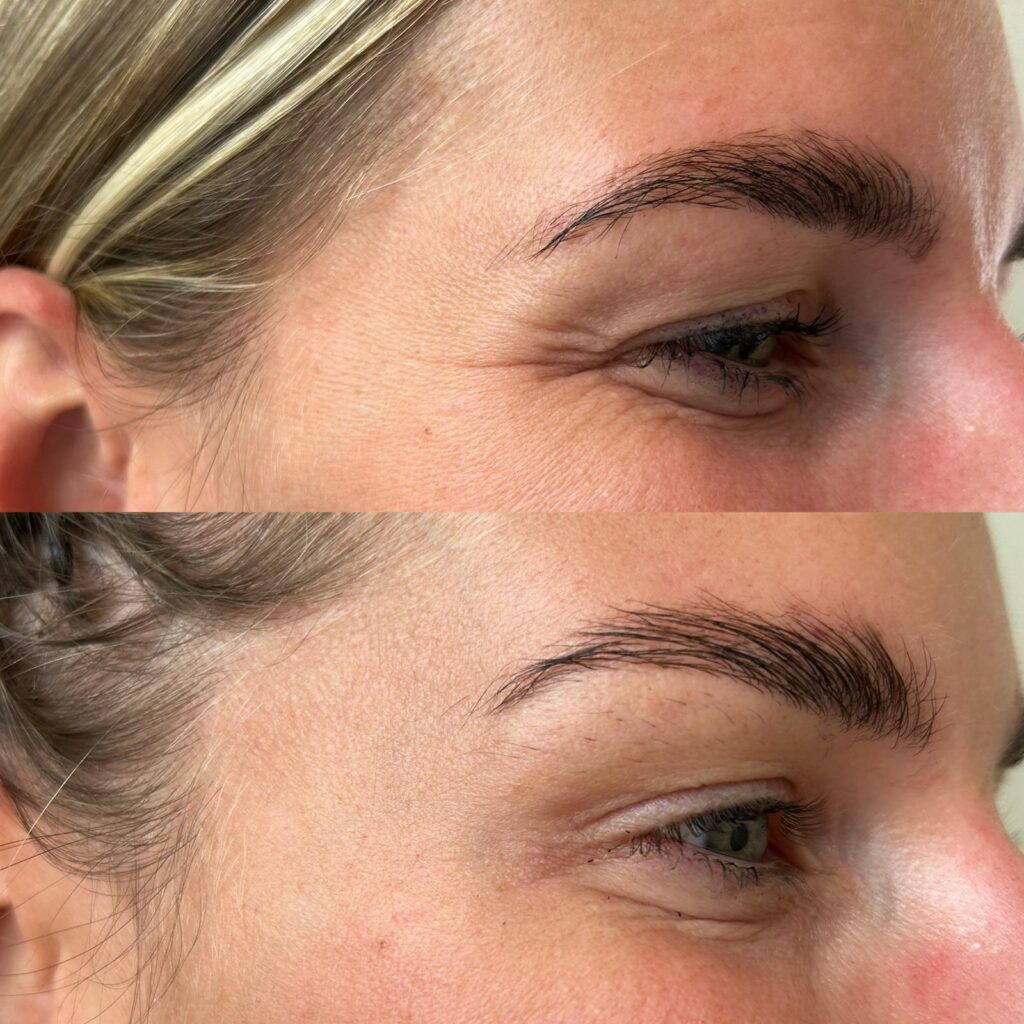
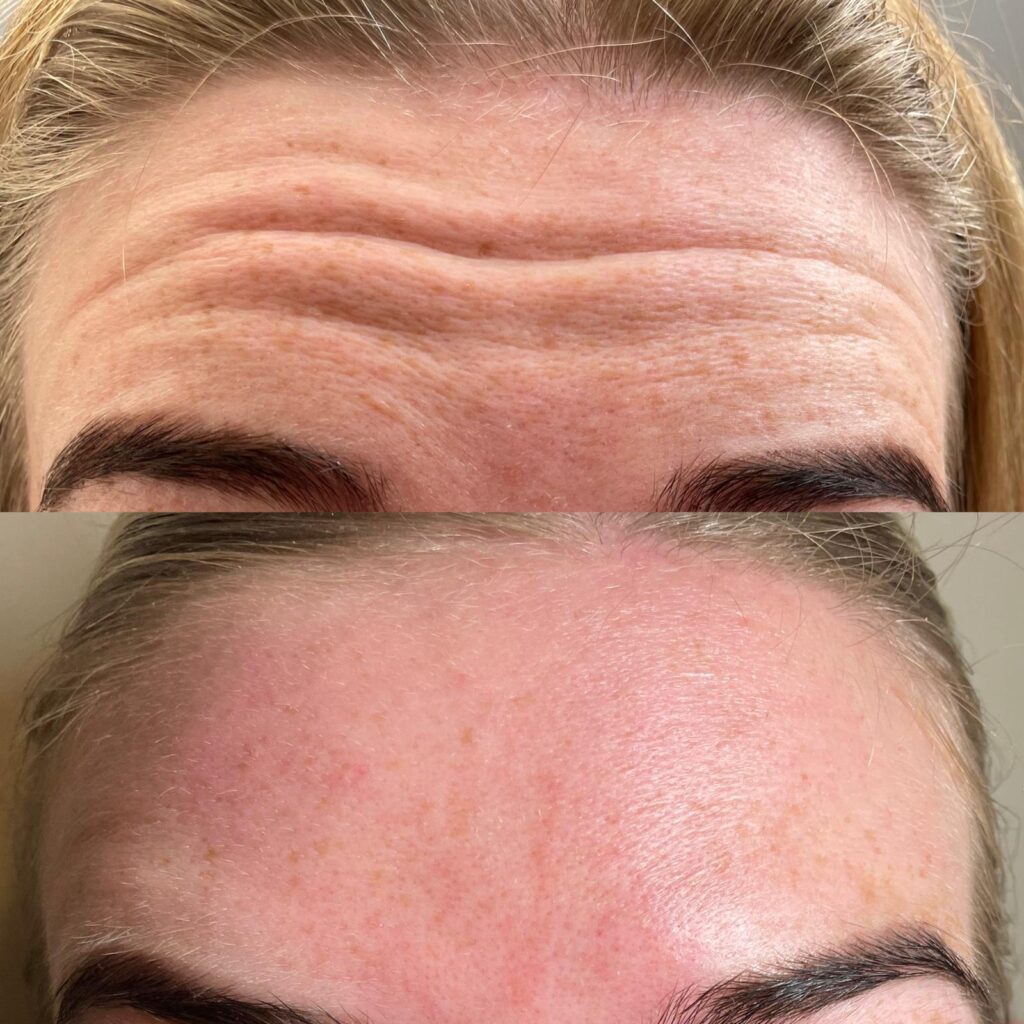
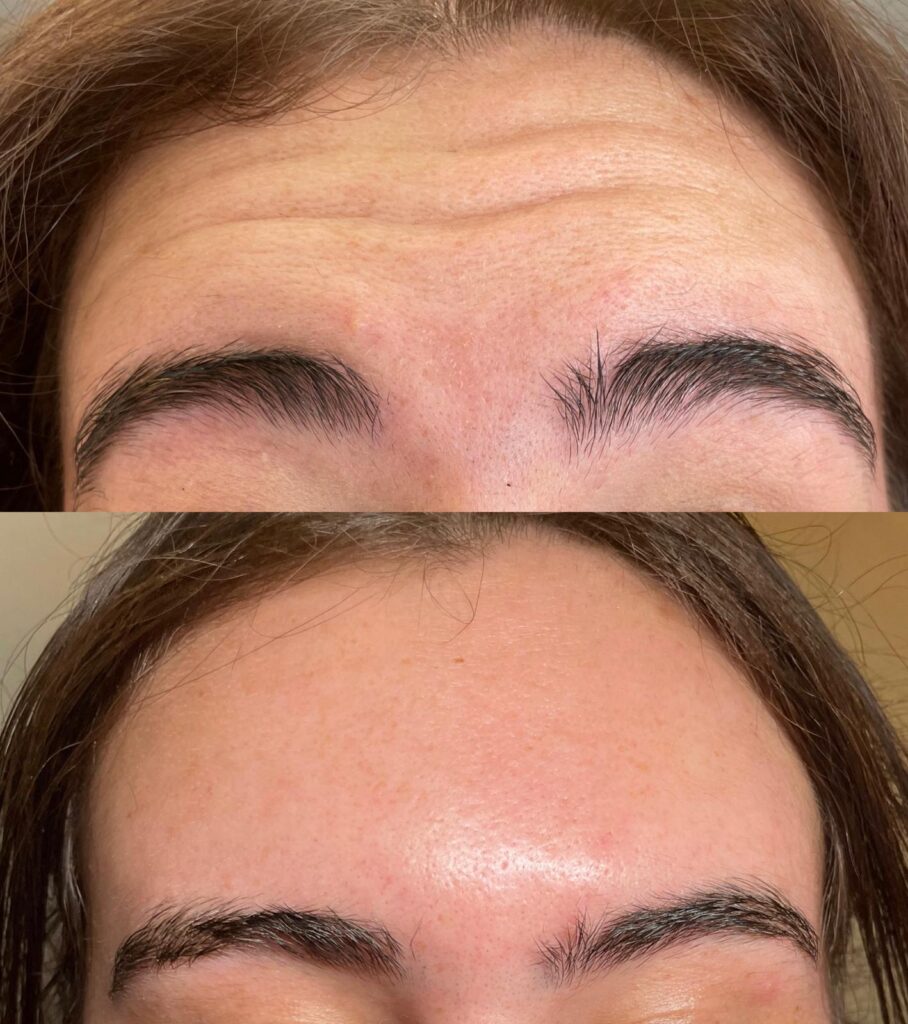
Patient Experiences
What Our Facial Aesthetics Patients Say
Hundreds of Birmingham patients have trusted us with their skin and confidence. Here's what they said.
Why choose us
Why choose Teeth & Face for dermal fillers?
Resident plastic surgeon-led care
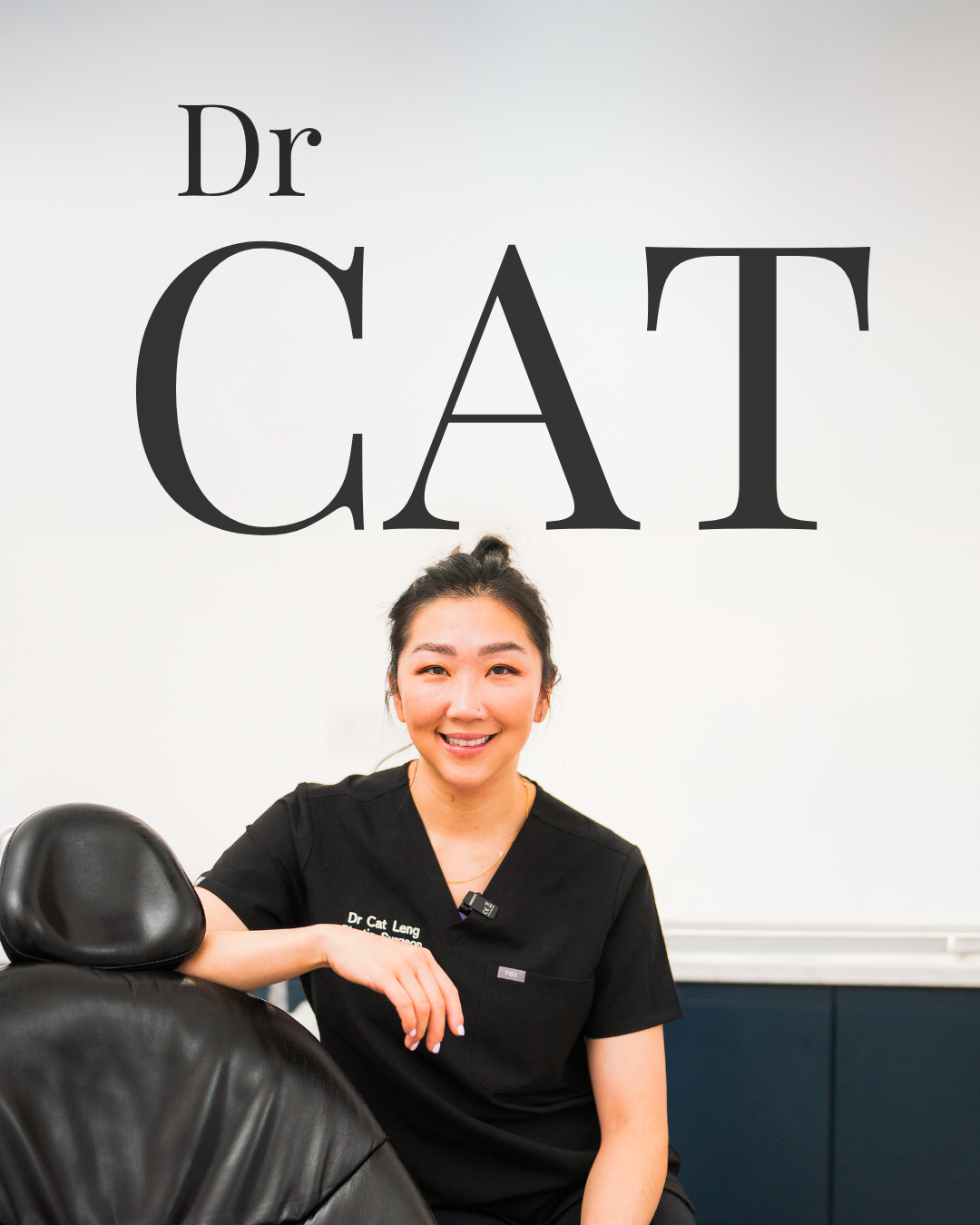
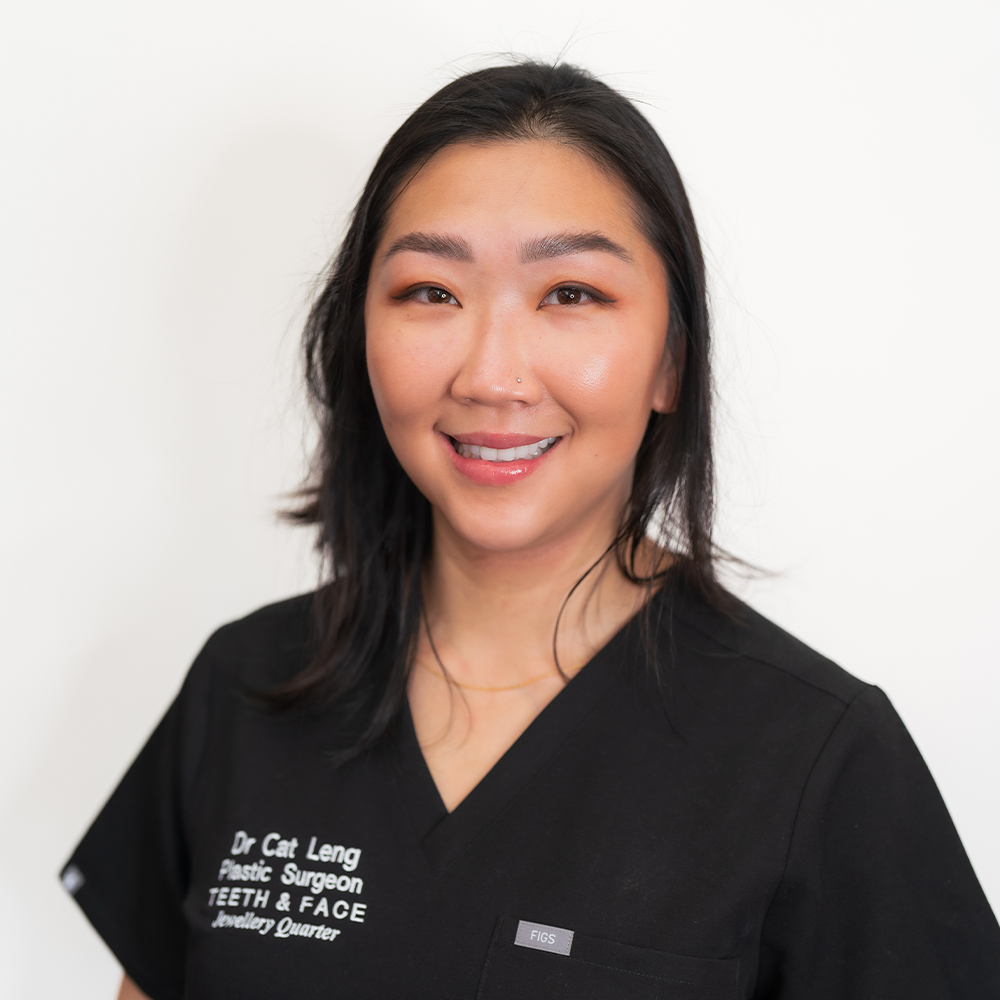
Your treatment is carried out by Dr Cat, Resident Plastic Surgeon. Knowing where not to inject matters as much as knowing where to. She assesses your anatomy, proportions, skin and facial movement before recommending anything, rather than working from a menu.
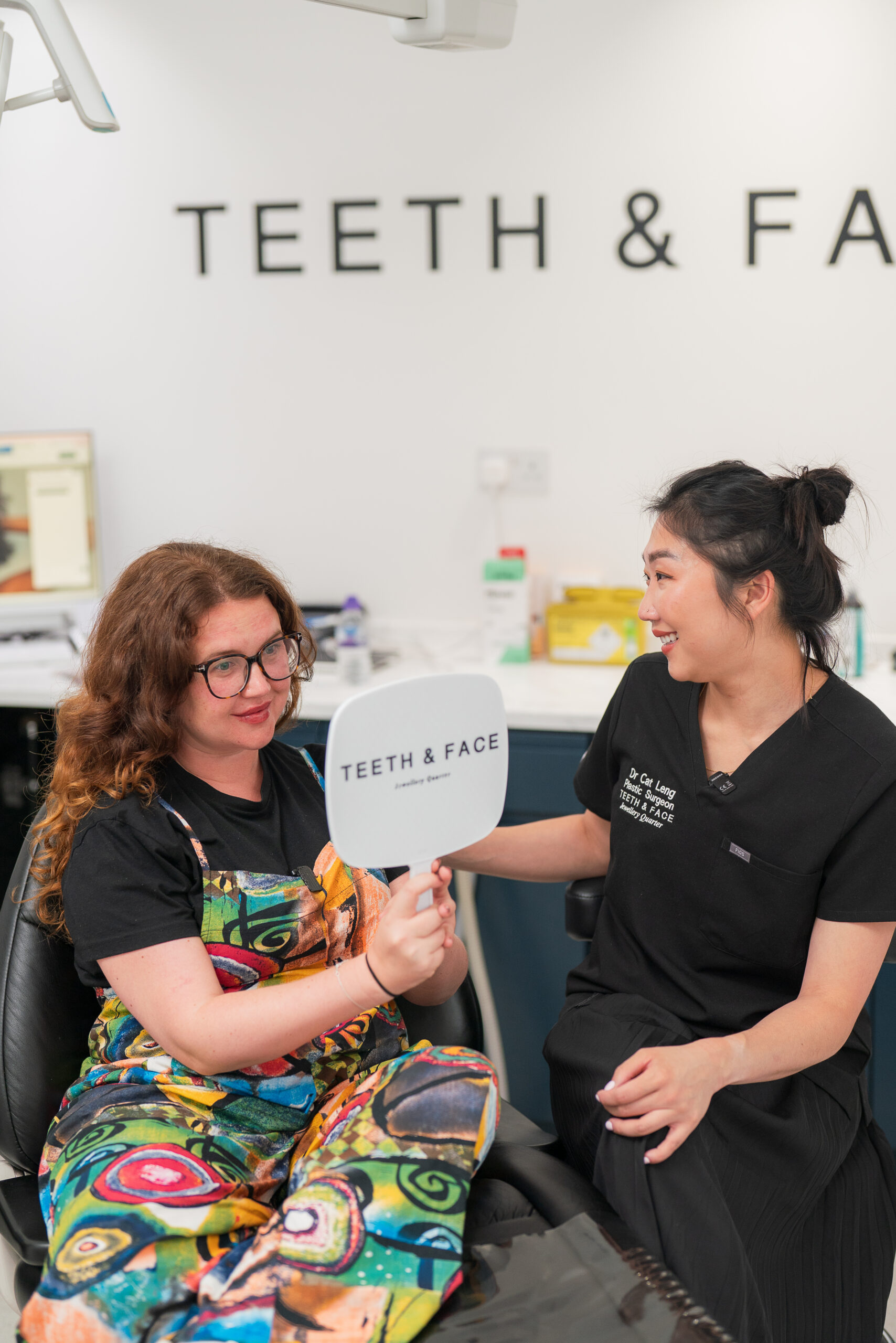
Facial balance, not just filler
You might ask for lip filler and need only a tiny enhancement. You might worry about lines around the mouth when the real issue is mid-face support. Our approach starts with your face, not a syringe.
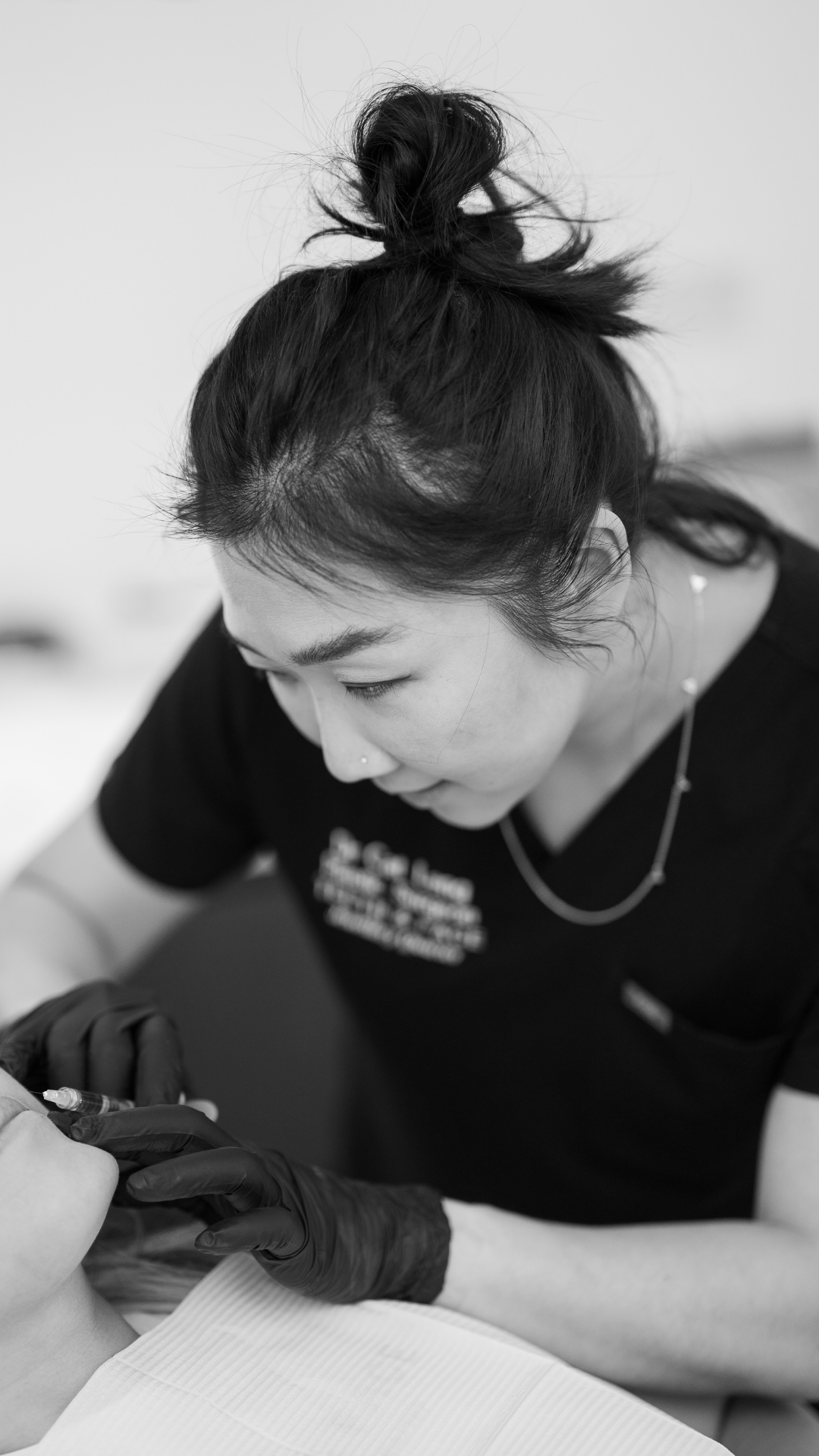
Natural-looking results
The best filler is often the filler nobody notices. We preserve your individuality and enhance your features rather than make everyone look the same. People should notice you, not your treatment.
FAQS
Your Dermal Fillers Questions Answered
Everything you need to know about Dermal Fillers at Teeth & Face. Can't find your answer? Get in touch, and we'll be happy to help.
How much do dermal fillers cost?
What are dermal fillers made from?
Are dermal fillers safe?
Does filler hurt?
How long do dermal fillers last?
How much filler will I need, and is 1ml a lot?
Can dermal fillers be dissolved?
Can filler move or migrate?
Will filler make me look fake?
Can filler help dark circles, and is tear trough filler safe?
Can I have filler before a wedding or big event?
What age can I have filler?
Who should not have dermal fillers?
